
Medicine on Moving Water: What a Family River Trip Teaches About Wilderness Care
There is a moment on every river trip when the canyon closes in, and it dawns on you how far away the nearest road is. It is a wonderful feeling. In this case, the nearest road is along the river shore bank in Green River, UT. It makes for a great beginner river trip for young people and helps remind and train everyone in wilderness self-care and wilderness medicine.

The river changes the rules
In town, the answer to most injuries is a short drive. On the water, that option disappears. Getting someone out may mean hours of rowing, (maybe) a satellite message, and a helicopter that cannot fly until the afternoon wind lays down. It may be a long while before help arrives. Spending time on the water is important and helps prepare and train for all kinds of scenarios.
What the evidence actually supports
Sun and heat: long sleeves, a wide brim, real shade at camp, and staying hyrated.
Wounds: plenty of irrigation supplies, because silty river water and a scraped shin are a poor combination.
Communication: an itinerary left with someone at home, and an agreed threshold for calling for help. Communication devices are not always reliable on the river.
Medications: everyone's daily prescriptions in a dry bag, plus rescue inhalers or epinephrine for anyone who carries them.

Kids on the water
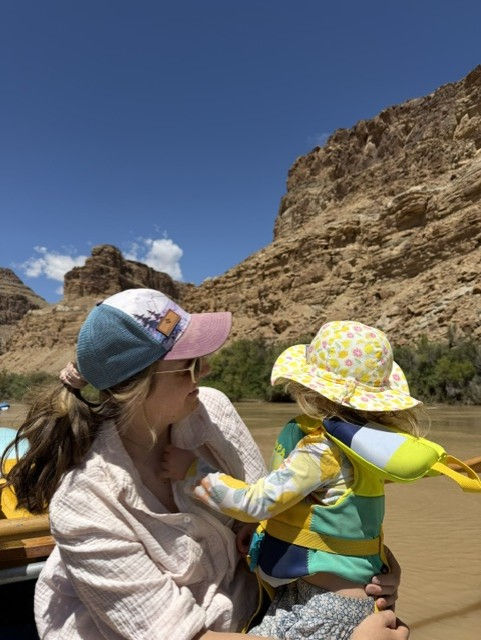
Taking small children down the river is great exposure to being in the wild. Being more careful with them is a must: little bodies overheat, burn, and dehydrate faster than adult ones, and children are not always good at telling you it is happening. A life jacket that fits properly and never comes off in the boat, a hat with a real brim, frequent snacks and sips, and a shaded place to nap through the hottest part of the afternoon can make the trip doable and enjoyable and safe. The rest is watching them closely and being willing to make a big day into a shorter one.
Bring it home
The habits that keep a river trip safe are the same ones that keep a Saturday in the desert safe. Know your route. Carry water. Protect your skin. Tell someone where you are going and when you expect to be back. Decide before you leave what would make you turn around.
If you are planning a river trip, a backcountry hunt, or a long day in the canyons this season, we are glad to talk through your medications, your first aid kit, and any conditions worth planning for before you lose cell service. Wilderness and rescue medicine has been part of who we are since we opened our doors in 2022, and it still shapes how we think about care here in Utah.
This article is general education and is not a substitute for individual medical advice. If you have a specific health concern, please reach out to the clinic or seek care.


Comments